
Mechanical Attachment

Happy Customers
0 K+
Tiles
Installed
0 K+

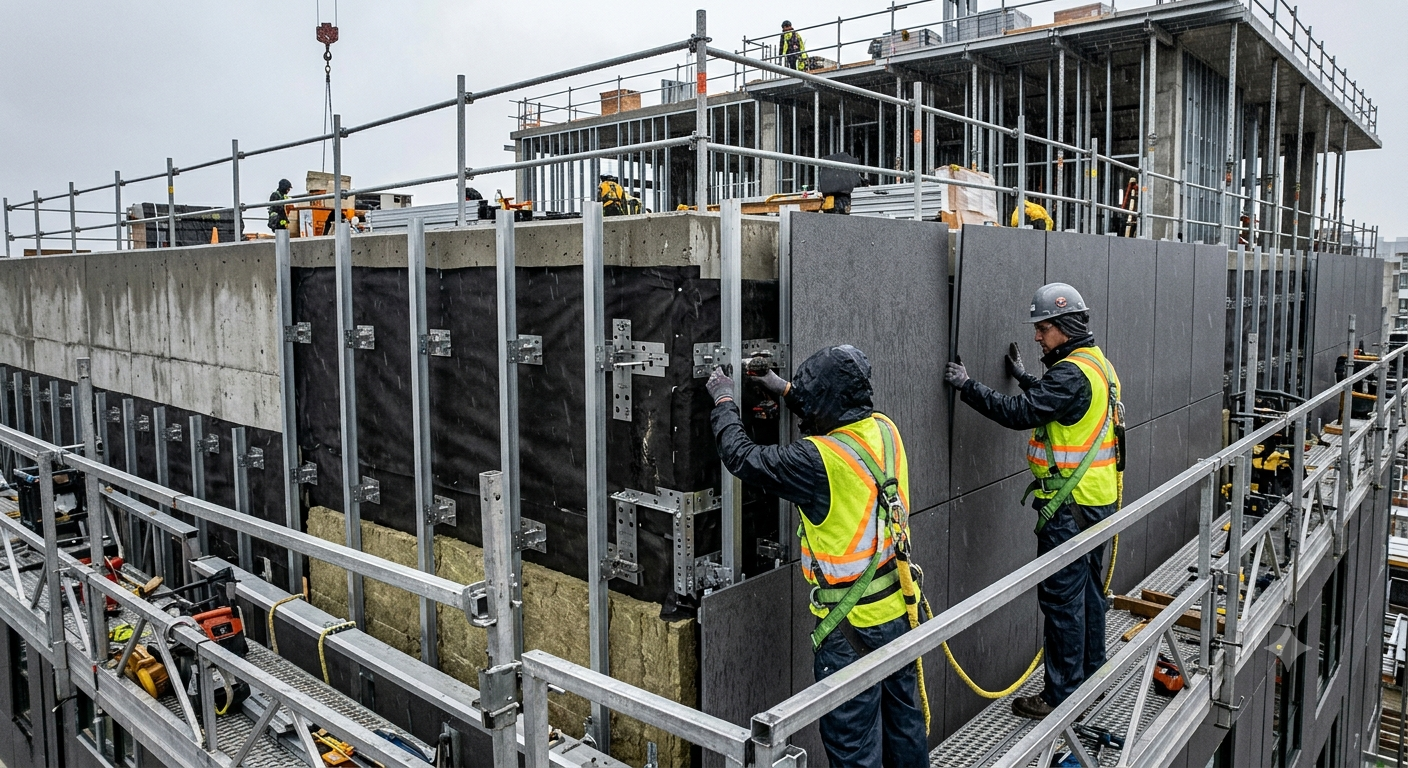
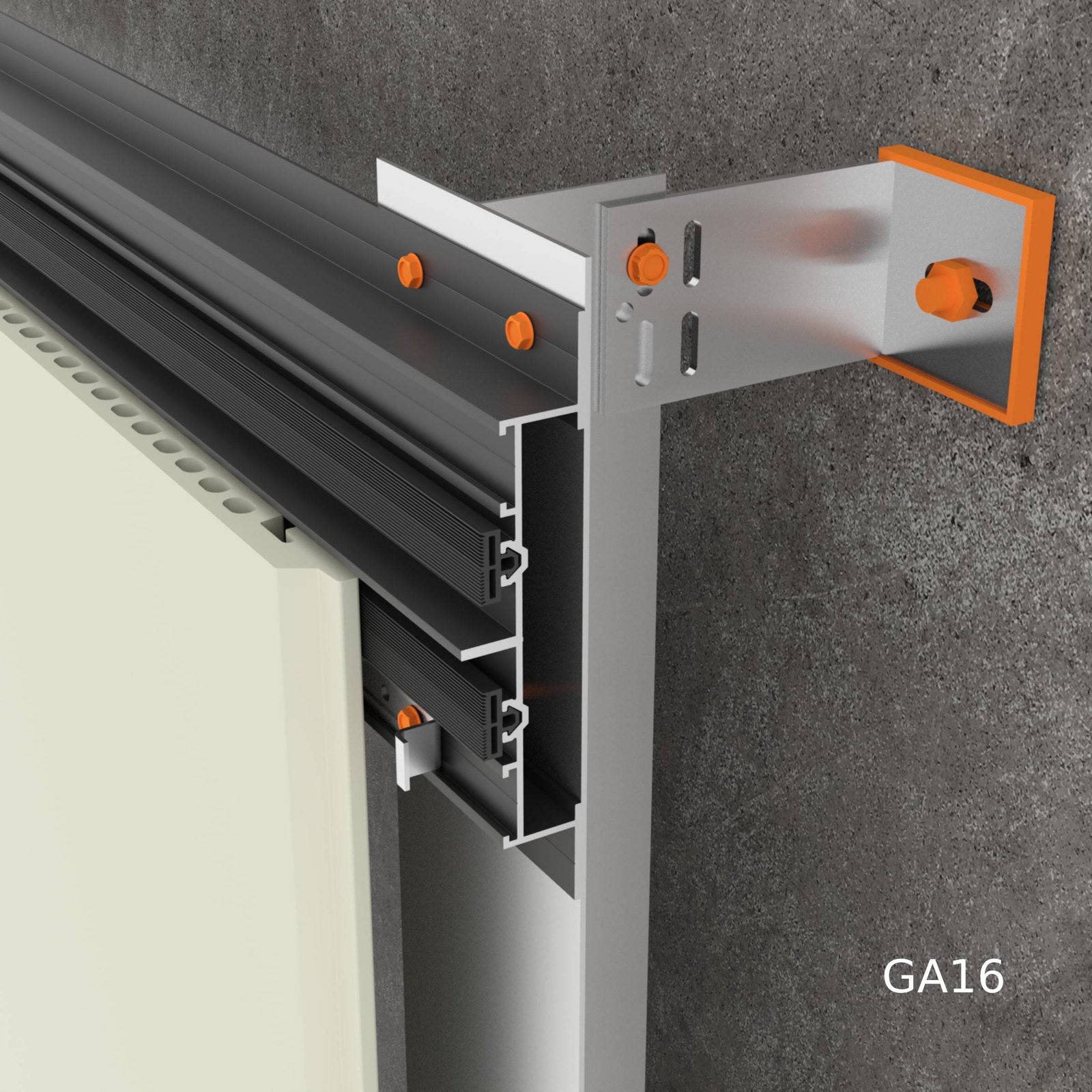
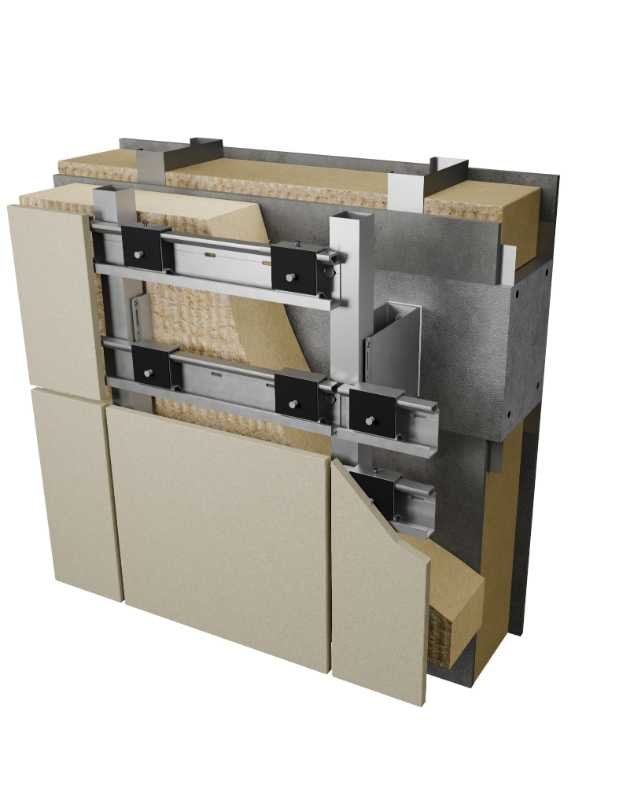
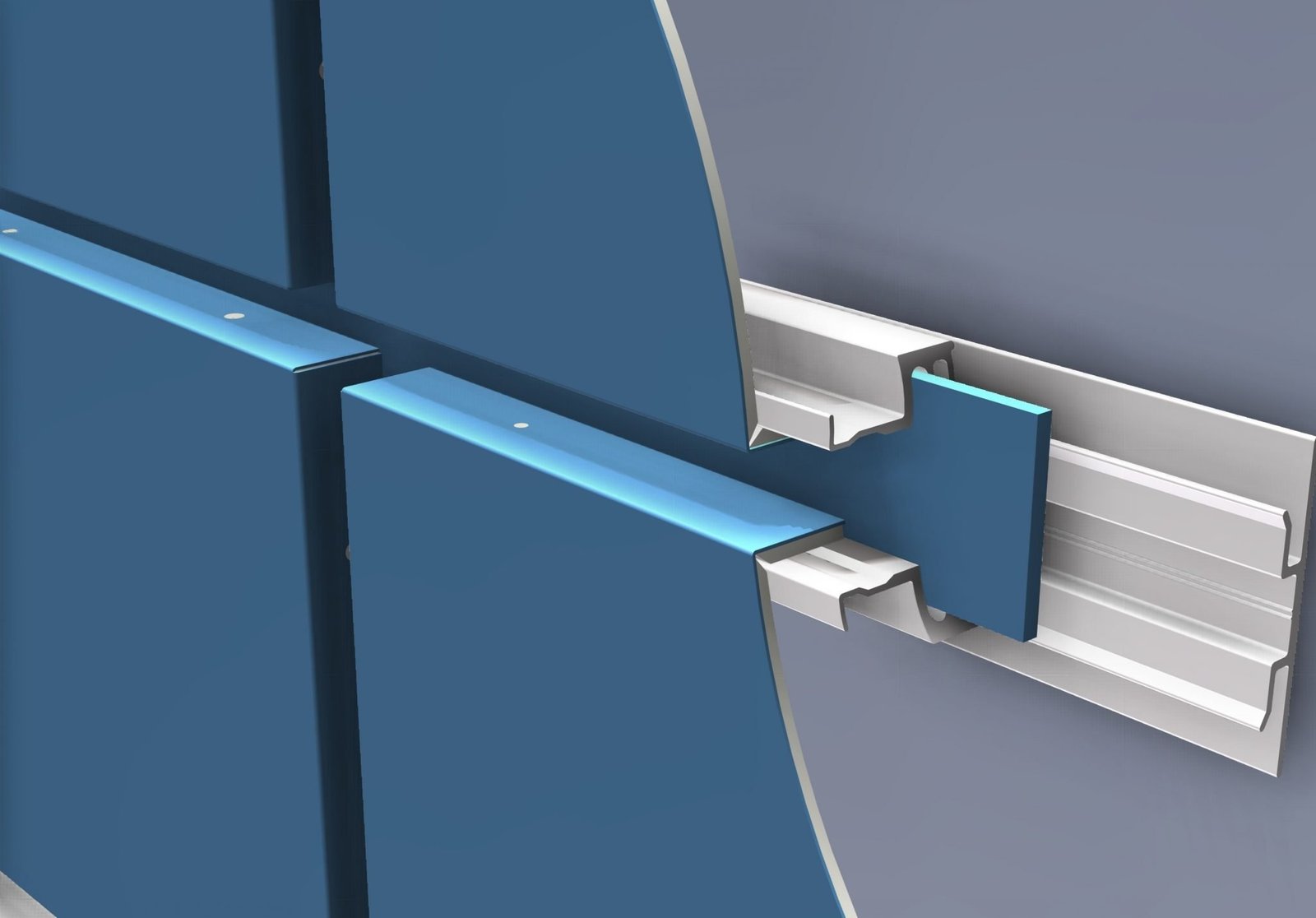
Mechanical attachment systems provide a secure, high-performance method for installing tile and stone on walls and façades. Designed for demanding commercial applications, these systems enhance structural reliability, accommodate building movement, and deliver long-term performance while maintaining a clean architectural appearance.

Mechanical Attachment

Mechanical attachment systems provide a secure and reliable method for installing stone and façade panels on both interior and exterior surfaces. Engineered for strength, durability, and long-term performance, these systems offer enhanced structural support while allowing for precise alignment and easier maintenance. They are an ideal solution for commercial buildings, architectural façades, and high-performance cladding applications.

Key Benefits:

Common Applications:

Mechanical attachment systems are commonly used in:

Precision Tile installs mechanically attached tile and stone systems with the technical expertise and precision required for complex commercial and architectural projects.

Why Partner with Precision Tile?

Fast, Accurate Bids

Our Estimating team combines architectural expertise with advanced technology to deliver quick, precise proposals tailored to your project needs.

Step 1

Collaborative Preconstruction

We work closely with your design and project teams to align scope, schedule, and budget from the start.

Step 2

Trusted Vendor Network

Long-standing relationships with leading tile and stone suppliers ensure the right materials—high quality, on time, and at the best prices.

Step 3

Seamless Execution

From layout through completion, our experienced crews deliver superior craftsmanship and professionalism on every site.

Step 4

Built-In Quality Control

We self-punch as we go, addressing details proactively to minimize rework and keep projects on track.

Step 5

Commitment to Excellence

Each project closes out clean, complete, and ready for client turnover—on time and to spec.

Step 6